The Enduring Symphony: Clive Davis's Legacy and the Future of Human + AI Collaboration
Uncover Clive Davis's 'golden ears' & strategic genius. See how his legacy shapes human + AI collaboration, driving innovation in Nonilion's AI office.
N
Nonilion Editorial
Jun 23, 2026 · 9 min read
The Enduring Symphony: Clive Davis's Legacy and Lessons for Human + AI Collaboration
Clive Davis, widely associated with music legends and chart-topping hits, held an influential position in the music industry. He was a key figure in talent development, a strategic leader, and a builder of influential record labels whose "golden ears" significantly impacted popular music for decades. From discovering Whitney Houston to nurturing Bruce Springsteen, Davis's intuition and acumen were highly regarded. As we reflect on his influential career, which spanned eras of profound industry change, his methods can offer insights for the modern workplace, particularly for considering human + AI collaboration within environments like Nonilion's AI office.
Clive Davis: Influence on Music and Stardom
Born in Brooklyn, New York, Clive Davis's journey began far from the recording studio, culminating in a law degree from Harvard. His entry into the music industry was through Columbia Records, where he rapidly ascended to president by 1967. Over his storied career, he founded Arista Records, J Records, and helmed the RCA Music Group, becoming a pivotal figure in the careers of artists like Janis Joplin, Santana, Earth, Wind & Fire, Billy Joel, Aretha Franklin, and Alicia Keys. His impact was not just in signing artists, but in understanding their potential, guiding their creative direction, and navigating the complex machinery of the music business to support their success.
FAQs
How does Nonilion help with clive davis?
For clive davis, Nonilion can help teams coordinate planning, meetings, and follow-ups in one collaborative workflow. It supports clearer decision tracking, async collaboration, and practical execution across distributed teams.
How can businesses effectively combine human intuition, like Clive Davis's 'golden ears,' with modern data analytics for better decision-making?
The article suggests leveraging AI to process vast datasets for market trends and insights, freeing human experts to apply their intuition to qualitative aspects and make nuanced final decisions. This approach balances data-informed understanding with invaluable subjective judgment.
What lessons does Clive Davis's approach to orchestrating complex projects offer for modern project management in volatile environments?
Davis excelled at orchestrating complex projects by combining meticulous planning with agile responsiveness, fostering collaboration, and adapting to volatility. His legacy emphasizes the need for strategic oversight, team synergy, and adaptability in managing high-stakes endeavors and navigating constant change.
How did Clive Davis successfully navigate decades of music industry disruption, and what can leaders learn from his adaptability?
Davis adapted by embracing new technologies and business models (like transitioning from vinyl to CDs) while maintaining focus on the core value of compelling artistry and effective distribution. Leaders can learn to anticipate trends, make long-term investments, and be willing to evolve without abandoning fundamental principles of quality and talent.
The 'Golden Ears' Phenomenon: Intuition in an Age of Algorithms
Davis's legendary "golden ears" refer to his notable ability to identify promising talent and potential hit songs, sometimes diverging from conventional expectations. This intuition was a key strength, contributing to his ability to identify cultural shifts and artistic developments. In an era increasingly influenced by data-driven decisions and algorithmic recommendations, Davis's human-centric approach highlights the important role of subjective judgment and deep industry knowledge.
Beyond the Beat: Deconstructing Davis's Talent Identification Process
Davis's process involved a combination of instinct, experience, and consistent engagement. He attended countless live performances, listened to demo tapes with an open mind, and engaged directly with artists to understand their vision. This wasn't just about a catchy tune; it was about recognizing authenticity, star power, and a unique voice that could potentially resonate widely. His talent identification considered artistic merit, commercial viability, and cultural impact.
The Human Element vs. Data-Driven Discovery: A Modern Conundrum
Today, music discovery platforms leverage vast datasets to predict success, often identifying trends and artists based on listener behavior and sonic characteristics. While powerful, this data-driven approach may sometimes risk overlooking certain unconventional talent that doesn't fit existing patterns. Davis's career suggests a balance: data can inform, and human intuition can play a role in identifying new directions. The challenge for modern organizations is to integrate these two forces, allowing AI to process and present insights while empowering human experts to make the ultimate, nuanced decisions.
Orchestrating Projects: Project Management in the Music Machine
Beyond talent scouting, Davis demonstrated significant skill in project management on a grand scale. Launching a new artist, producing an album, or orchestrating a global tour involves intricate coordination, significant financial investment, and managing diverse teams—from producers and engineers to marketers and publicists. He navigated these complexities with strategic oversight, aiming to translate creative vision into commercial success.
Navigating Volatility: Managing Artists, Teams, and Market Shifts
The music industry is inherently volatile, marked by shifting trends, technological disruptions, and the unpredictable nature of creative endeavors. Davis consistently demonstrated an ability to adapt, whether it was transitioning from vinyl to CDs or responding to evolving radio formats. His leadership involved not just managing projects, but managing expectations, mediating conflicts, and maintaining focus amidst constant change. He understood that successful execution required both meticulous planning and agile responsiveness.
The Art of Collaboration: Fostering Synergy in High-Stakes Environments
Davis worked to foster environments where artists, producers, and executives could collaborate effectively. He was known for his ability to bring people together, facilitate creative dialogue, and work towards aligning everyone with the overarching vision. This collaborative synergy contributed significantly to turning raw talent into polished, impactful artistry, suggesting that even in high-stakes, competitive industries, partnership can be highly valuable.
Strategic Vision and the Evolution of the Music Industry
Davis's career was characterized by his strategic foresight. He didn't just react to the industry; he influenced its direction, founding and building record labels that became influential. His ability to anticipate trends and make long-term investments helped him navigate industry changes over decades.
Founding Labels, Influencing Eras: Arista, J Records, and Beyond
From Arista Records, which played a significant role in launching the careers of Whitney Houston and Barry Manilow, to J Records, home to Alicia Keys and Maroon 5, Davis consistently demonstrated the entrepreneurial spirit to build new ventures. He understood that a label was more than just a brand; it was a culture, a strategic platform for nurturing talent and delivering music to the world. His labels were influential in the sound of their respective eras.
Adapting to Disruption: Lessons from a Long Career
Davis navigated profound shifts, from the rise of rock and roll to the digital revolution. He understood that while the medium might change, the core value of compelling artistry and effective distribution remained constant. His adaptability and willingness to embrace new technologies and business models, even while holding firm to his core principles of talent and quality, offer valuable insights for leaders facing disruptive change.
What Clive Davis's Legacy Means for the AI Office: Nonilion's Approach to Human + AI Synergy
Clive Davis's career offers insights for understanding aspects of the future of work, particularly in an AI-augmented environment. His blend of intuition, strategic project management, and adaptive leadership can be seen as relevant to the operational dynamics of a modern AI office. Nonilion, as a platform designed for human + AI co-working, embodies many of these principles, offering tools to augment human capabilities and streamline complex workflows.
Augmenting Intuition: AI Agents Supporting 'Golden Ears' Principles
In a Nonilion workspace, AI agents can support a function akin to "golden ears," processing vast amounts of data—market trends, audience demographics, competitive analysis, and even sentiment analysis of creative works—to provide insights that would be challenging for a human alone to gather efficiently. While the ultimate creative judgment still rests with human experts, AI agents can highlight patterns, help identify emerging artists based on early indicators, or suggest potential marketing strategies. This allows human leaders, drawing parallels with Davis's approach, to focus their intuition on the qualitative aspects of talent and artistry, potentially making more informed decisions by leveraging AI for robust data interpretation.
Streamlining Creative Workflows: Project Management for the AI Era
Davis's skill in orchestrating complex projects, from album production to artist promotion, finds a modern parallel in this platform's capabilities for workflow automation and team coordination. In a this platform environment, AI agents can manage the logistical complexities of creative projects: scheduling meetings, tracking deadlines, automating routine tasks, and facilitating communication across diverse teams. This frees human project managers to focus on the strategic, creative, and interpersonal aspects of their roles, supporting a collaborative synergy akin to what Davis championed. this platform's async execution features help maintain project momentum, even when team members are in different time zones or engaged in deep work, supporting efficient project operation.
Strategic Foresight and Execution: AI-Powered Leadership Decisions
Davis's strategic vision for founding labels and adapting to industry shifts offers valuable insight for today's leaders. Within this platform, AI agents can provide real-time market intelligence, predictive analytics on industry trends, and scenario planning tools. This can support leadership in making data-informed strategic decisions, drawing a parallel to how Davis made intuitive ones, but with the added rigor of AI-powered analysis. this platform facilitates human + AI co-working, allowing leaders to brainstorm with AI agents, test hypotheses, and develop robust strategies for navigating disruption and seizing new opportunities, supporting the coupling of strategic foresight with efficient execution.
The Future of Work: Fostering Innovation in the Human + AI Collaborative Space
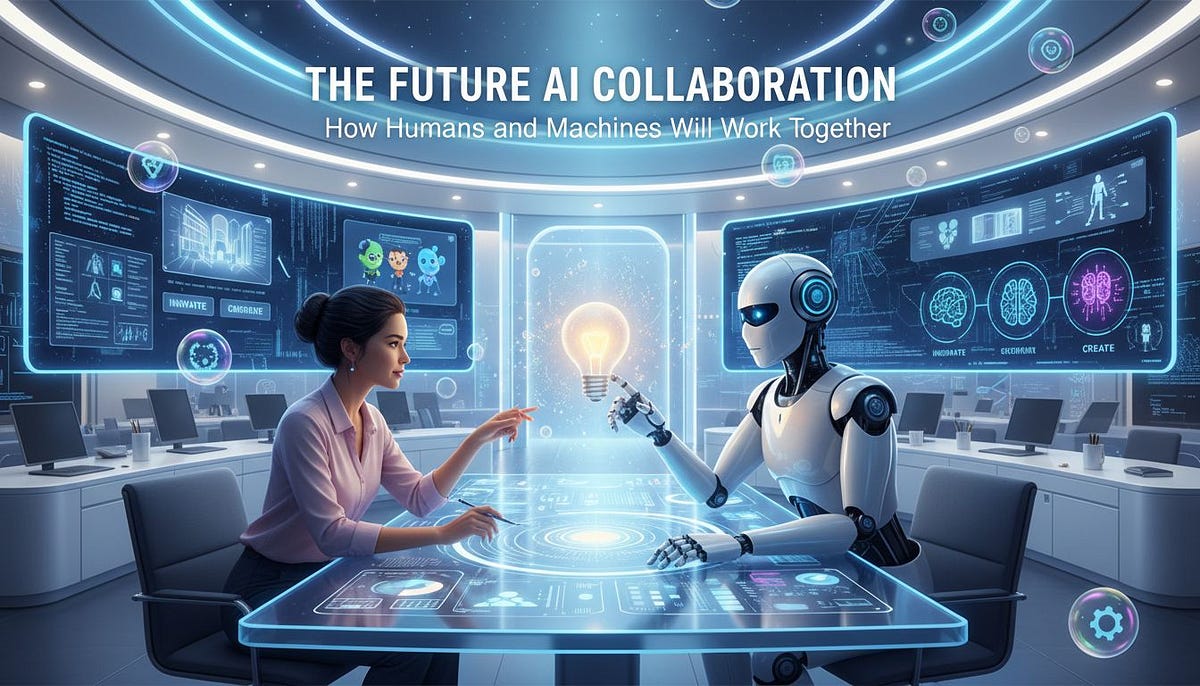
Clive Davis's legacy highlights the value of connecting disparate elements, identifying latent potential, and orchestrating complex processes with both intuition and rigor. In the AI office of the future, human capabilities are envisioned to be augmented rather than replaced. Platforms like this platform are designed to be collaborative spaces where human creativity and AI efficiency converge, potentially allowing individuals and teams to achieve enhanced outcomes. By offloading routine tasks and data analysis to AI agents, humans can be freed to focus on higher-order thinking, creative problem-solving, and the cultivation of the unique insights that human experience can provide, akin to the "golden ears" concept.
Conclusion: The Enduring Symphony of Human Ingenuity and AI Augmentation
Clive Davis's journey from a lawyer to a music executive known for his "golden ears" illustrates human intuition, strategic leadership, and a commitment to excellence. His ability to identify talent, manage complex projects, and adapt to industry shifts offers valuable insights. As we move into an era where AI becomes an integral part of our professional lives, his legacy reminds us that while technology can enhance our capabilities, the human element—our creativity, our intuition, and our capacity for collaboration—plays a vital role in progress. In the AI office, exemplified by this platform, this collaboration of human ingenuity and AI augmentation can contribute to shaping the future of work.
This trend matters to Nonilion because it points to a bigger change: teams are moving from simple calls toward persistent, AI-supported collaboration spaces. Nonilion can bridge live presence, meeting context, avatars, and follow-up work so the trend becomes a usable workflow instead of a headline.
Shareable Extracts
The trend is not just "The Enduring Symphony: Clive Davis's Legacy and the Future of Human + AI Collaboration" - it is a signal that team coordination is becoming the next competitive edge.
Hot take: the teams that win from this shift will not be the ones with more meetings; they will be the ones with clearer shared context after every meeting.
If the enduring symphony: clive davis's legacy and the future of human + ai collaboration keeps moving this fast, remote teams need a workspace where conversation, presence, and follow-up stay connected.
The Enduring Symphony: Clive Davis's Legacy and Lessons for Human + AI Collaboration Clive Davis, widely associated with music legends and chart-topping hits, held an influential position in the music industry.
He was a key figure in talent development, a strategic leader, and a builder of influential record labels whose "golden ears" significantly impacted popular music for decades.
Social Hooks
Everyone is talking about The Enduring Symphony: Clive Davis's Legacy and the Future of Human + AI Collaboration. The overlooked part is what happens to team workflows after the headline fades.
The uncomfortable question behind The Enduring Symphony: Clive Davis's Legacy and the Future of Human + AI Collaboration: are teams adapting their collaboration systems fast enough?
This is not a meeting trend. It is a coordination trend, and products like Nonilion sit right in the middle of that shift.
This article on clive davis was generated by the Nonilion AI blog workflow using web research inputs and AI-assisted synthesis.
In an increasingly AI-driven workplace, what enduring value does the 'human element,' such as creativity and intuition, still hold?
The human element remains vital for higher-order thinking, creative problem-solving, and cultivating unique insights that AI cannot replicate. AI augments capabilities by handling routine tasks and data analysis, allowing humans to focus on strategic contributions, creative vision, and intuitive judgment.
How does Nonilion specifically help integrate human intuition with AI capabilities for enhanced outcomes?
Nonilion uses AI agents to process extensive data—like market trends or audience demographics—and streamline workflows, providing robust insights that support human intuition. This allows human experts to focus on qualitative judgments, strategic project management, and creative problem-solving, leading to more informed decisions and efficient execution.