


Strategic leadership decisions within vast organizations, particularly those as critical as the military, invariably trigger complex responses across various stakeholder groups. The recent announcement by Defense Secretary Pete Hegseth regarding a significant reduction in military leadership roles has ignited a robust GOP reaction, catching many lawmakers off-guard and raising profound questions about process, impact, and the future of defense. This event serves as a critical case study in the dynamics of top-down change, highlighting the imperative for foresight, transparency, and effective communication in an increasingly interconnected operational landscape.
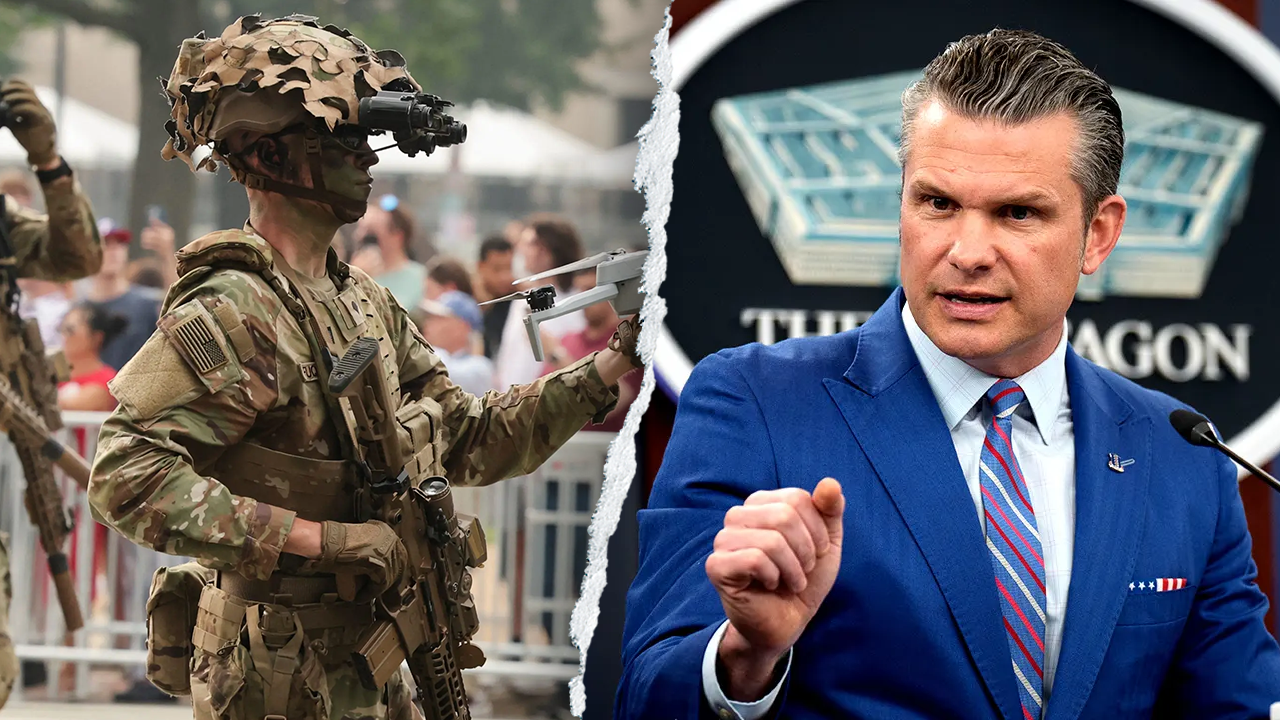
The Hegseth Directive: A Surprise 20% Reduction in Military Leadership
Defense Secretary Pete Hegseth confirmed a plan to slash up to 20% of the U.S. military's top general and admiral positions, a directive that reverberated through Washington with considerable force. This move, which Hegseth defended as a necessary step toward greater accountability, was presented as